Why Tall Women Feel the Seasonal Wardrobe Change First
Quick Answer: Autumn transition clothing is where tall sizing fails most obviously — sleeve length on jackets, rise on trousers worn with layers, and hem length on knitwear are all graded conservatively even in tall ranges. The strategic answer is to buy the layering pieces in tall or menswear sizing and treat the outer layer as the priority purchase of the season.
The summer wardrobe forgives length problems. The autumn one exposes every one of them.
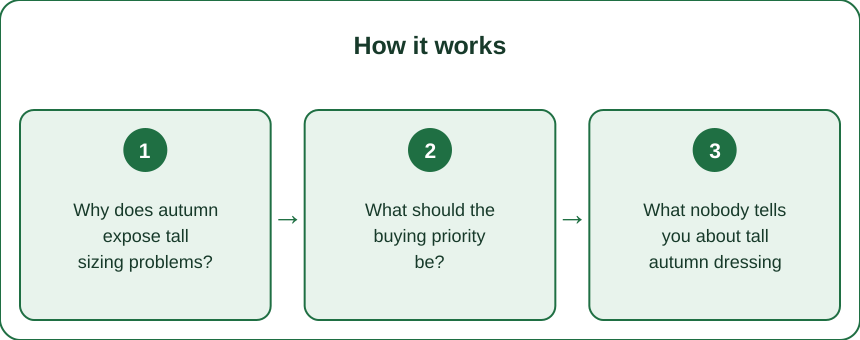
Why does autumn expose tall sizing problems?
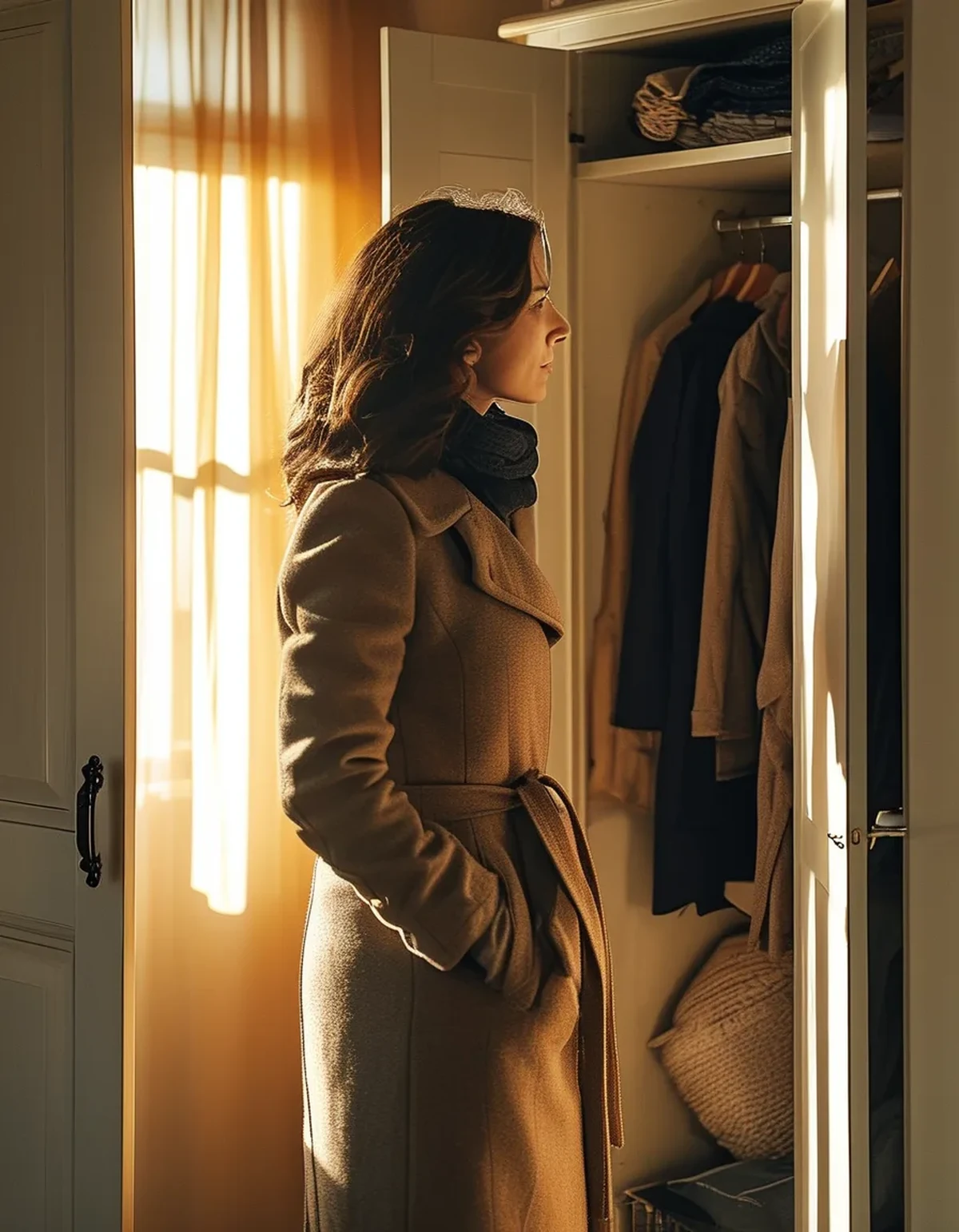
Summer clothing has fewer length-critical points. A dress, a short, and a vest top are forgiving. A jacket, a jumper, and a full-length trouser worn with boots are all judged on precise length.
Sleeve length is the single biggest failure. Standard grading adds roughly 1.5cm of sleeve length per size, but arm length varies far more than that between a 5’4 and a 5’10 frame. A jacket that fits across the shoulders will typically be three to five centimetres short in the sleeve.
Layering multiplies the problem. Every layer needs to work at its own length, and a jumper that is borderline short becomes visibly short once a jacket rides slightly higher over it.
Rise gets shorter as trousers get heavier. Autumn trousers in denim and heavier twills often have a shorter effective rise than summer fabrics because the fabric does not stretch, which shifts the waistband down and shortens the leg further.
And the hem-to-boot relationship is unforgiving. A trouser that is 3cm short is invisible with trainers and obvious with ankle boots.
What should the buying priority be?
The outer layer first, always. It is the most visible item, the hardest to alter, and the one worn every day for six months. A coat with correct sleeve length changes how every outfit under it reads.
Then knitwear. A jumper that ends at the right point on the hip is the difference between a considered outfit and one that looks accidentally cropped. Look for body lengths of 68cm or more rather than trusting a size label.
Then trousers, which are the most alterable. Length is the easy alteration; rise and sleeve are the hard ones. Buying long and hemming is a genuinely good strategy for trousers and a poor one for everything else.
Menswear is worth checking for outerwear and knitwear specifically. Sleeve and body lengths are longer at equivalent chest measurements, and the styling difference matters less on a coat than people assume.
Check the garment measurements, not the size. Tall ranges vary enormously between brands, and the sleeve length in centimetres tells you more than the word ‘tall’ ever will.
What nobody tells you about tall autumn dressing
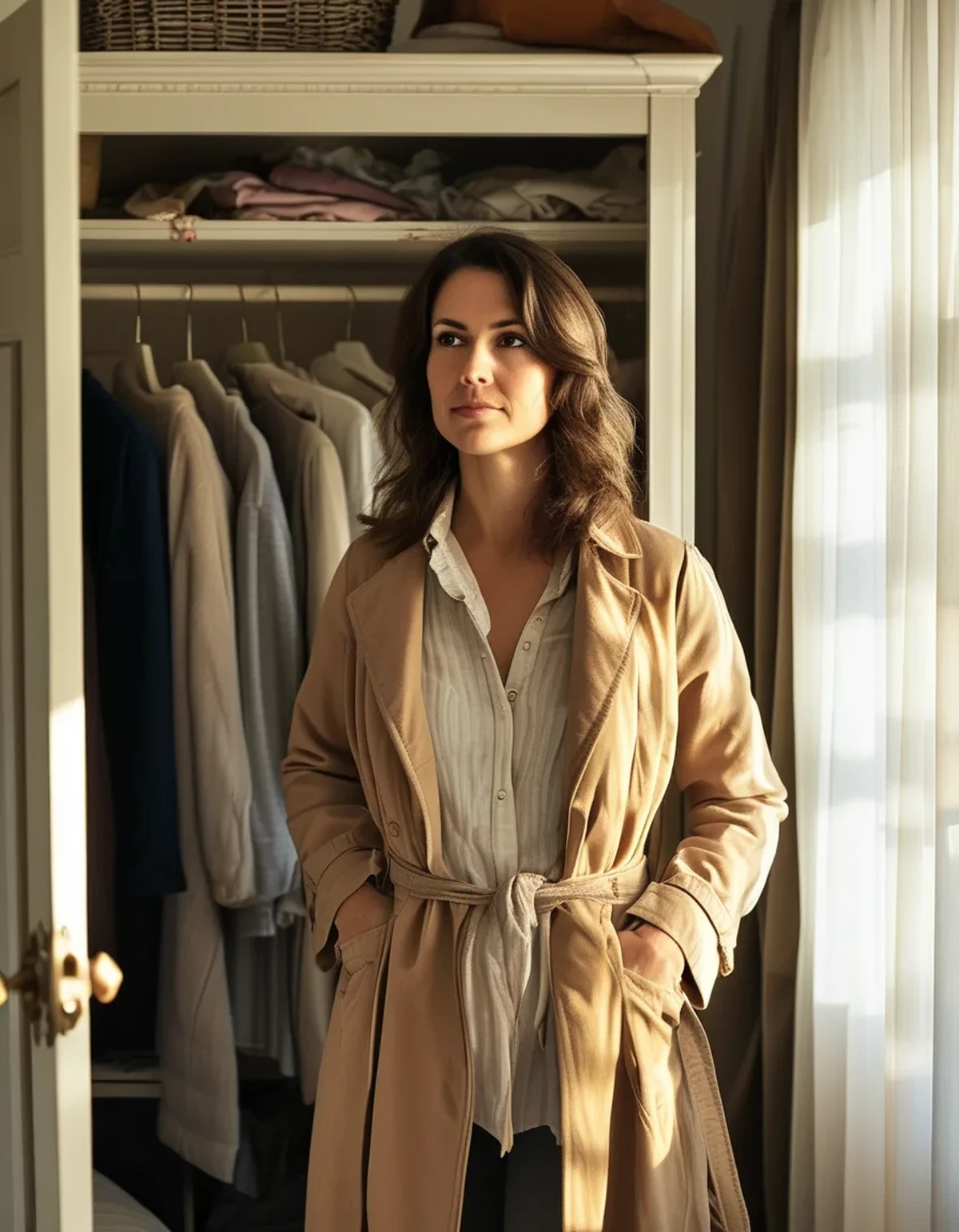
Sleeve length is more noticeable than hem length. People read the wrist as a proportion marker far more than the ankle. If you can only fix one thing, fix the sleeve.
A cuff is a solution. A jumper sleeve that is slightly short reads as deliberate when the cuff is folded once, and as short when it is not.
Longline everything is not automatically the answer. Very long layers on a tall frame can read as swamping. The proportion that works is usually one longer layer over one standard-length one, not everything long.
Boot shaft height matters more at height. A mid-calf boot sits at a different point relative to overall leg length, and the same boot that looks balanced at 5’4 can cut the leg awkwardly at 5’10.
Scarves genuinely help proportion. Volume at the neck balances a long torso, and it is one of the few autumn accessories that works better at height than against it.
And the practical one: alterations are cheaper than most people assume, and a tailor who knows your measurements is the single best investment a tall wardrobe can make. Lengthening is sometimes possible on coats with a deep hem allowance, which is worth checking before writing off a good jacket.
FAQ: Tall Autumn Wardrobe Questions, Answered
Are tall ranges actually longer everywhere, or just in the leg?
It varies badly. Many tall ranges only extend the inseam and leave sleeve, rise, and body length unchanged. Check the sleeve measurement specifically before ordering.
Is it worth buying a coat a size up for sleeve length?
Usually not — the shoulder seam ends up dropping past the shoulder, which is more noticeable than a slightly short sleeve. Better to find a longer-sleeved brand or have the shoulders taken in.
What single purchase improves the autumn wardrobe most?
One well-fitting coat with correct sleeve length. It is worn over everything, every day, for six months, and it does more for how the whole wardrobe reads than any three other items.
TL;DR:
- Autumn clothing is length-critical in ways summer clothing is not — sleeves, hems, and rise all get exposed.
- Sleeve length is graded conservatively even in tall ranges, and it is what people notice most.
- Buy the outer layer first, then knitwear, then trousers — trousers are the easiest to alter.
- Check garment measurements in centimetres rather than trusting the word ‘tall’.
- Menswear is worth checking for coats and knitwear, and a good tailor pays for itself.
The transition weeks are where the wardrobe gets audited. Fix the coat and most of the rest follows.
Keep Reading
This article is for general informational and styling purposes only. Fit, sizing, and product availability may vary.